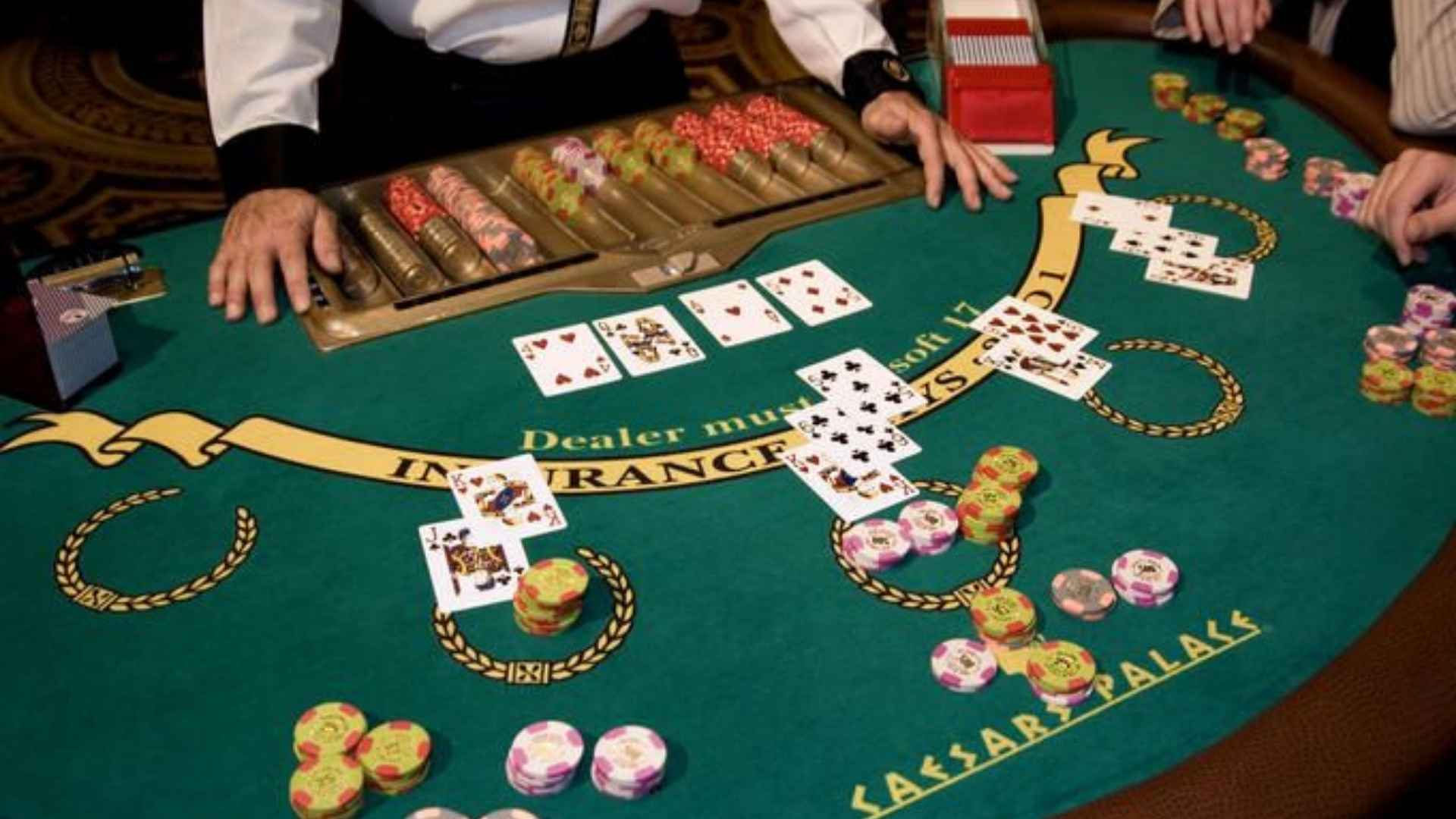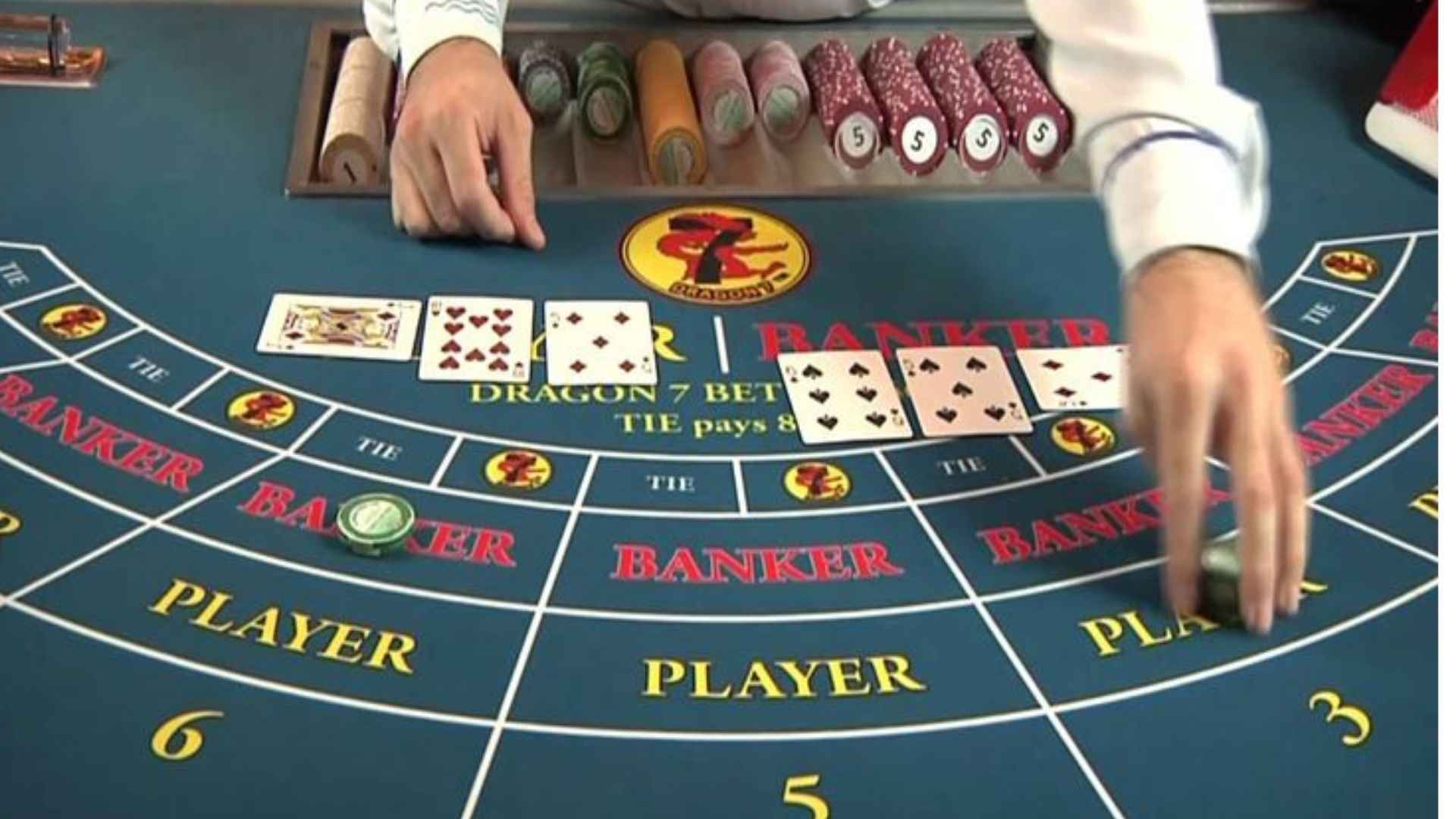
Developing a strong sense of card awareness is a transformative skill that separates casual players from strategic experts in modern tabletop games. By paying close attention to the cards that are played, discarded, or remaining in the deck, you can accurately predict your opponent's next move. This proactive mindset turns an unpredictable game of chance into a highly calculated battle of wits where informed decisions dictate the final result.
The Core Elements of Mental Tracking
Successful card tracking begins with keeping a sharp mental log of every item that passes through the discard pile. Knowing exactly which options are no longer in play allows you to recalculate your probability of drawing the specific numbers you need to complete a winning combination. This foundational cognitive habit helps reduce unnecessary risks and keeps your strategic options flexible throughout the match.
As you become more comfortable tracking basic metrics, you can start monitoring how many high-value and low-value options have surfaced. Platforms like M88 togel provide excellent insights into traditional table games, helping enthusiasts sharpen their understanding of structural scoring systems. Developing this sharp analytical eye prevents costly defensive mistakes when the pressure mounts during critical final rounds.
Predicting Your Opponent Strategic Intent
Card awareness involves far more than just calculating your own odds; it requires observing the behavior of the other participants at the table. By noticing which specific elements your opponents discard or eagerly collect from the public pile, you can deduce their immediate tactical goals. This situational awareness allows you to form defensive blockades by holding onto the exact items they desperately need.
Refining this predictive capability requires patience, focused concentration, and a steady dedication to studying table patterns during live sessions. When you can accurately anticipate whether a rival is building a high-risk combination or a safe sequence, you gain a massive competitive edge. Shifting your perspective to focus on the entire table configuration ensures consistent improvement over time.
Managing Risk Exposure and Hand Balance
Maintaining a balanced distribution of numerical weights in your hand is essential for mitigating heavy penalty risks. Experienced competitors constantly weigh the liability of holding unmelded high-value items against the safety of lower alternatives. A sudden shift in table momentum can leave an unprepared player with massive point losses if they fail to adjust their layout quickly.
By establishing a robust routine for evaluating your hand strength after every single turn, you can smoothly execute defensive maneuvers. Knowing when to dissolve a dangerous high-point combination is just as vital as completing your own sets. Cultivating long-term strategic success relies heavily on your ability to maintain this strict mathematical discipline under pressure.
Practical Steps for Daily Tactical Improvement
Transforming raw observation skills into intuitive habits requires regular practice and structured memory exercises outside of competitive environments. You can start by running simple drills that focus on remembering the last five cards discarded during casual training matches. Over time, this cognitive exercise becomes completely natural, allowing you to focus more energy on advanced psychological strategies.
Ultimately, achieving better table outcomes is the direct result of dedication, keen observation, and consistent point calculation methods. As your familiarity with deck probabilities deepens, your decisions will shift from hopeful guessing to precise execution. Embracing the hidden mathematics of card awareness guarantees an elevated performance level in every match you play.