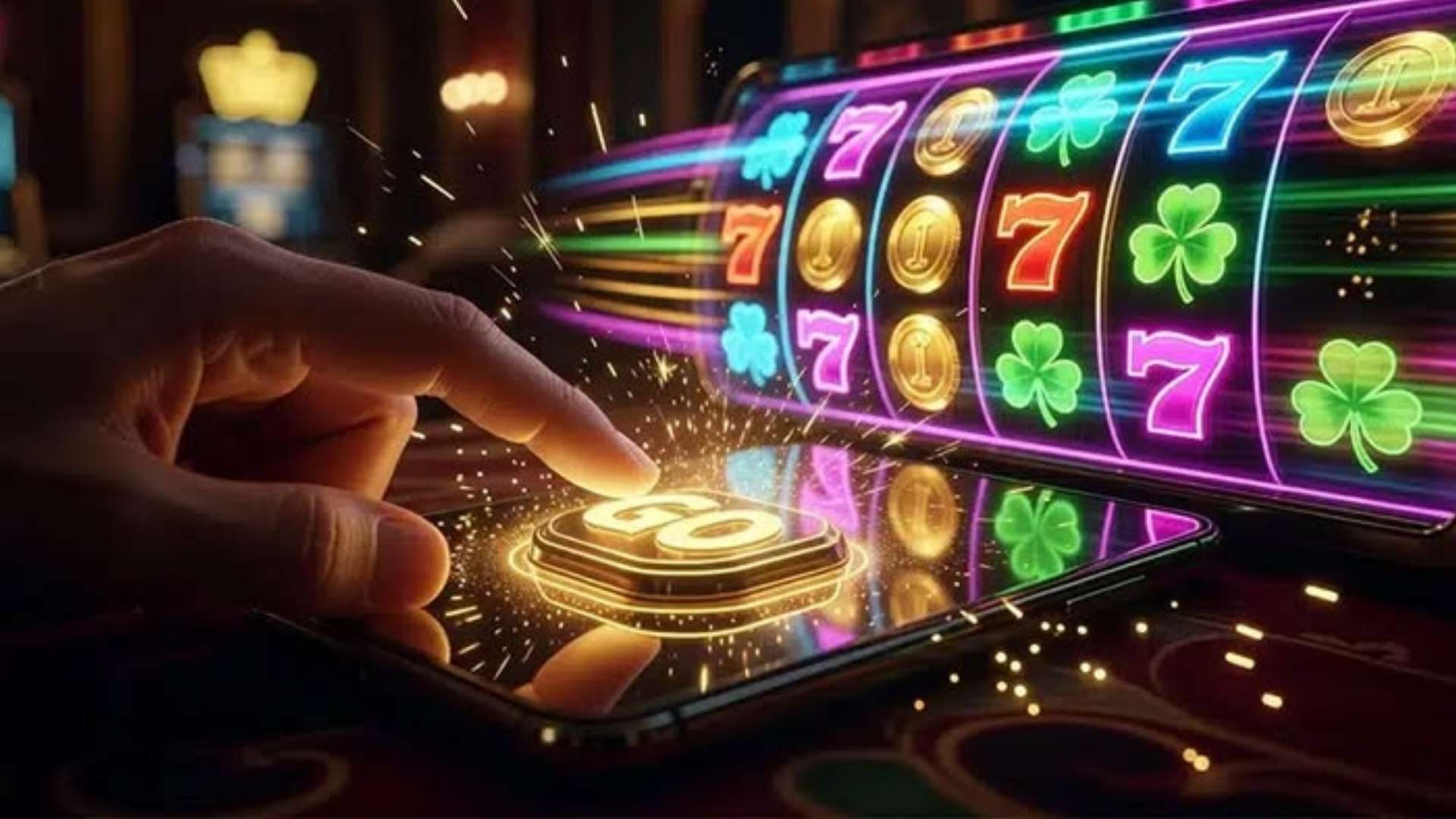
Overcoming obstacles in modern video games provides a clear sense of achievement, but repeating the same difficult tasks can eventually become tedious for players. By introducing elements of unpredictability into these virtual accomplishments, developers can significantly elevate the overall excitement of the core gameplay loop. This clever combination of structured milestone progression and unexpected bonuses keeps the journey dynamic and highly engaging over extended periods.
The Psychology of the Unexpected
Human psychology is naturally fascinated by uncertainty, which triggers a unique wave of satisfaction when an unexpected positive outcome occurs. When a digital system offers an entirely fixed payout structure, the experience can quickly feel like routine labor rather than actual entertainment. Introducing randomized distributions shifts the focus from predictable daily grinds to authentic moments of pure discovery.
This variable reinforcement schedule creates a powerful loop of anticipation that successfully satisfies many different player personas. Hardcore enthusiasts and casual participants alike find themselves far more emotionally invested when a major breakthrough challenge delivers a surprise gift. The neurological thrill of what might drop next transforms ordinary interactive sessions into highly memorable achievements.
Balancing Skill and Surprise
Integrating randomized systems requires a highly delicate design framework to avoid frustrating or alienating the broader player community. If the odds of receiving a valuable item feel entirely arbitrary, unfair, or punitive, long-term user retention will rapidly drop. Designers must ensure that the core skill progression remains meaningful while carefully utilizing luck as a supplementary enhancement.
When executed effectively, variable rewards complement organic player advancement seamlessly rather than feeling forced or manipulative. Many contemporary digital titles achieve this ideal equilibrium by pairing deterministic milestones with minor chance-based prize pools. This dual approach ensures everyone receives proper recognition for their dedication while still leaving room for exciting anomalies.
Enhancing Replayability and Engagement
The primary benefit of introducing surprise mechanics to in-game challenges is the immense replay value it generates for the platform. Users are much more willing to revisit complex levels or competitive modes when they know the potential outcomes vary with each session. This operational rhythm keeps modern live-service titles fresh, active, and vibrant over months and consecutive years.
For individuals looking to explore digital platforms that utilize structured randomness, finding a reliable platform like M88 togel provides a clear example of probability mechanics in action. These varied incentive systems ensure that routine sessions feel completely unique, effectively preventing sensory habituation among active participants. By shifting the virtual environment dynamically, creators successfully build lasting community loyalty and deeper overall platform interactions.
The Future of Dynamic Reward Architecture
As contemporary interactive design continues to evolve, the underlying technology behind incentive distribution is becoming significantly more sophisticated. Forward-thinking development studios are currently exploring machine learning models to tailor unexpected drops based on individual player habits and preferences. This highly personalized approach could completely redefine how future virtual economies maintain user engagement.
Ultimately, random rewards succeed because they tap into a fundamental human desire for surprise and discovery without exploiting player behavior. When built ethically and transparently, these creative mechanics greatly enhance the gratification derived from overcoming tough tactical obstacles. Striking the perfect balance between predictable milestones and exciting chance elements remains a central focus for modern game development.