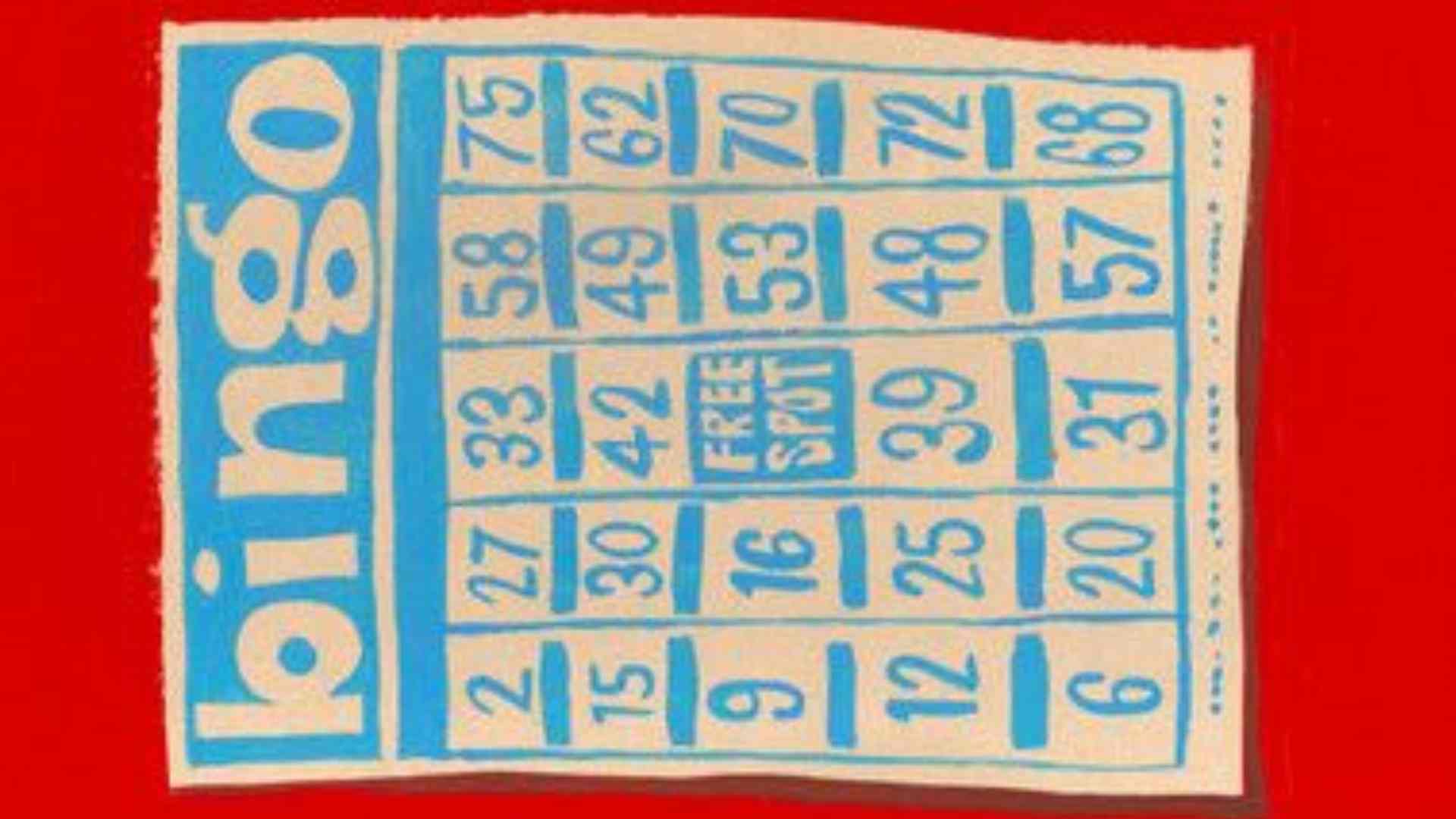
Engaging with numerical puzzles is far more than a simple pastime for rainy afternoons. Modern cognitive science shows that interacting with structured mathematical challenges directly stimulates the regions of the brain responsible for risk assessment and strategic choices. By regularly practicing these exercises, individuals can dramatically improve their real-world problem-solving frameworks and learn to make sound choices under pressure.
The Direct Connection Between Numbers and Logic
Every decision we make in daily life involves a subconscious evaluation of probabilities and potential consequences. Number-based games isolate this mechanism by forcing the player to analyze precise data sets and eliminate incorrect options systematically. This repetitive structural exercise conditions the mind to avoid impulsive actions and rely instead on cold, objective analysis.
As you progress through increasingly complex grids or sequence puzzles, your working memory expands to hold multiple variables simultaneously. This enhanced mental capacity translates directly into professional environments where managers must weigh competing priorities before executing a strategy. Developing this foundational skills ensures you stay grounded when dealing with high-stakes scenarios.
How Risk Assessment Alters Mindsets
Many advanced numerical exercises incorporate elements of calculated risk, requiring participants to balance short-term gains against long-term stability. This dynamic mirrors corporate financial planning and strategic project management where data points shift continuously. Players learn to accept minor, calculated setbacks if those choices ultimately guarantee a successful conclusion to the overarching challenge.
Furthermore, digital competitive platforms have introduced fast-paced variations that test your logic under strict time limitations. Enthusiasts looking for high-speed strategic challenges often explore modern platforms like M88 esports to see how tactical precision operates in competitive digital environments. Observing these quick choices highlights how rapidly the human brain can process complicated mathematical variables when properly trained.
Building Long Term Cognitive Resilience
Consistency is the true key to unlocking the lasting psychological benefits of these logic-based pastimes. Spending just fifteen minutes each day with a grid puzzle helps maintain neuroplasticity as the adult brain matures over time. This continuous engagement keeps the prefrontal cortex active, which directly mitigates the cognitive decline often associated with routine, unchallenging daily schedules.
Ultimately, the structured confidence gained from solving numeric obstacles flows naturally into personal and financial aspects of life. When you know how to break down a massive problem into small, manageable data points, making the final choice becomes an objective process rather than an emotional burden. Embracing these challenges is a practical investment in your mental agility and future clarity.