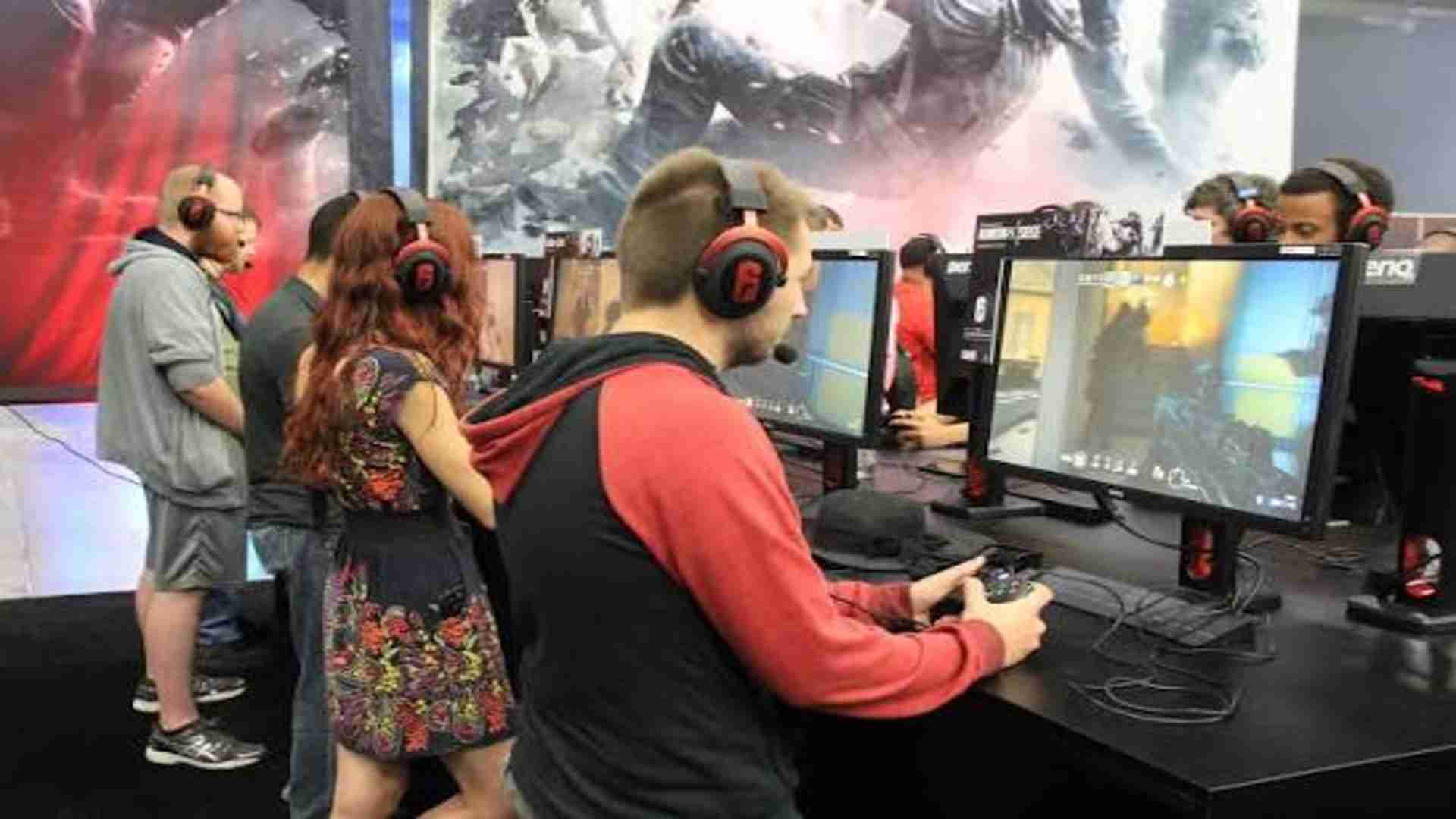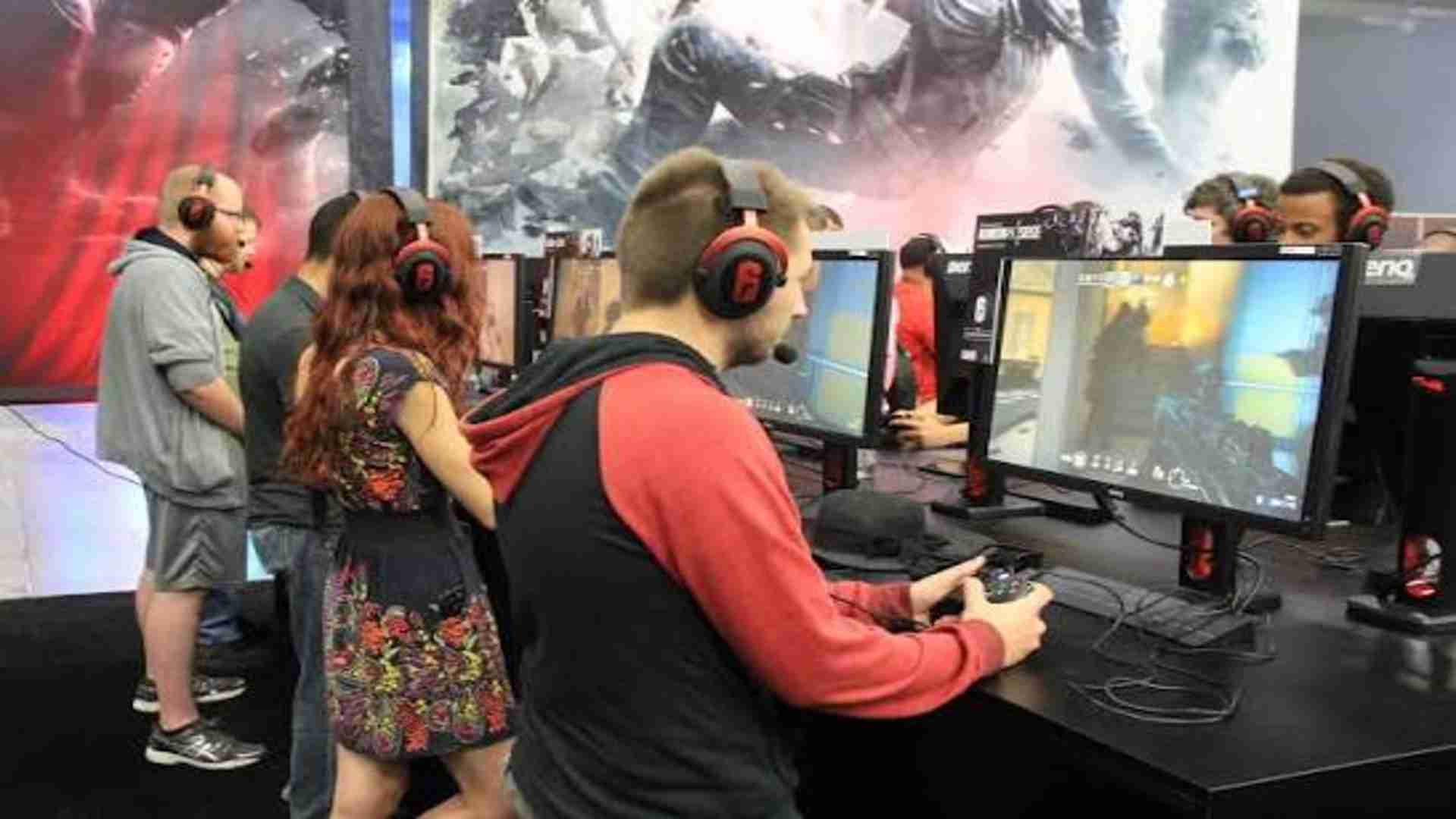
The modern digital landscape has experienced a massive shift toward collaborative entertainment, turning standard video games into dynamic social spaces. Rather than relying solely on developers for content updates, many contemporary platforms now thrive on activities organized and driven entirely by the players themselves. This unique approach transforms how online groups interact and ensures that virtual worlds remain active and engaging for years.
The Evolution of Player-Driven Activities
Historically, multiplayer gaming relied heavily on rigid seasonal updates and scheduled tournaments controlled entirely by developers. Today, modern ecosystems empower local player bases to organize custom tournaments, design tailored challenges, and host global interactive meetups. This decentralized format breathes continuous life into virtual communities and rewards active participation.
By giving players control over server rules and in-game parameters, developers have fostered an environment where creativity thrives naturally. These custom configurations allow community leaders to build highly unique modes that cater to diverse skill sets. As a result, standard matchups transform into memorable collective adventures that unite individuals across different regions.
Enhancing Long-Term Player Engagement
One of the primary benefits of user-driven events is the significant boost it provides to long-term community retention. Traditional games often suffer from player fatigue when new content cycles slow down between major patch updates. In contrast, platforms with robust player-led initiatives always have something fresh happening, keeping the enthusiast base deeply connected.
When looking for dynamic spaces that offer continuous excitement and active player interactions, enthusiasts often explore specialized online hubs. For instance, players interested in varied digital entertainment options frequently visit M88 togel to discover competitive communities and diverse activities. Engaging with these focused platforms demonstrates how structured virtual spaces can successfully sustain massive, interactive player networks.
Fostering Deep Social Connections
Beyond the gameplay mechanics, community-centric events serve as an incredible catalyst for building strong, lasting offline friendships. Cooperating to achieve shared objective goals or organizing massive team battles requires constant communication and strategic coordination. These interactions naturally break down barriers between global participants and foster high levels of mutual trust.
Many online guilds and competitive clans even transition their in-game collaborations into real-world social impact projects or charitable fundraising drives. This progression showcases how a shared passion for interactive design can evolve into meaningful offline communities. Ultimately, the virtual battlefield becomes a powerful foundation for positive social collaboration and collaborative problem-solving.
Future Trends in Interactive Group Gaming
As network technologies and user-generated content tools continue to advance, the potential for player-led events will expand dramatically. Future ecosystems will likely feature deeper automation tools that allow creators to deploy complex missions and custom rewards seamlessly. This technological evolution will give everyday players the capability to act as true digital event coordinators.
Furthermore, the integration of cross-platform compatibility ensures that these user-driven initiatives can reach the widest possible audience. Regardless of whether someone prefers mobile devices, console systems, or PC hardware, they can participate equally in massive shared experiences. The future of online engagement clearly belongs to platforms that prioritize community empowerment above all else.