Baccarat has undergone an extraordinary transformation from its origins in medieval gaming halls to its current status as a cornerstone of modern casino floors. This elegant table game has continually shifted its rules, presentation, and participant accessibility over several centuries to stay appealing to different social eras. Tracking this fascinating development reveals how a simple card-guessing pastime managed to capture the imaginations of aristocrats and digital players alike.
The Aristocratic European Foundations
The earliest documented versions of the game emerged in Italy and France, operating primarily as exclusive recreational activities for noble families. Known in its historic French iteration as Chemin de Fer, the game required players to actively compete against one another rather than a centralized house bank. This social dynamic fostered an atmosphere of intense psychological strategy where participants shared the financial responsibilities of the table.
As the game migrated into traditional salons across Europe, it developed a reputation for extreme formality and substantial financial stakes. The structure remained highly ritualistic, meaning that only a selective segment of society could realistically afford or understand the procedures. These early centuries established the undeniable aura of prestige and luxury that still surrounds the game today.
The Transition to American Casino Frameworks
When the game crossed the Atlantic in the twentieth century, casino operators restructured the format to fit the fast-paced nature of American nightlife. This led directly to the birth of Punto Banco, a variant that removed all strategic decision-making regarding card distribution. In this modernized configuration, the casino took over the banking role entirely and standardized all drawing rules.
By shifting the responsibility of the game away from the players, the table dynamic became much more approachable for mainstream crowds. Individuals no longer needed to study intricate card behaviors to participate confidently alongside high-rolling enthusiasts. This standardization allowed casino venues to manage multiple tables efficiently while maintaining the classic allure of the high-stakes layout.
The Arrival of the Digital Expansion Era
The dawn of online gaming platforms pushed the boundaries of the traditional table setup even further by introducing virtual accessibility. Digital software allowed individuals to enjoy standard variations from their personal devices without adhering to strict venue dress codes. Finding a modern platform like m88ทางเข้า gives enthusiasts instant access to diverse formats that suit different budgets and schedules.
Furthermore, developers utilized interactive technology to launch live dealer broadcasts that bridge the gap between physical and virtual environments. Real cards are handled by trained professional dealers in specialized studios, streaming the physical action directly to remote screens. This digital integration ensured that the historic card game remained relevant for a technically advanced generation of modern players.
The Rise of Rapid Play Variants
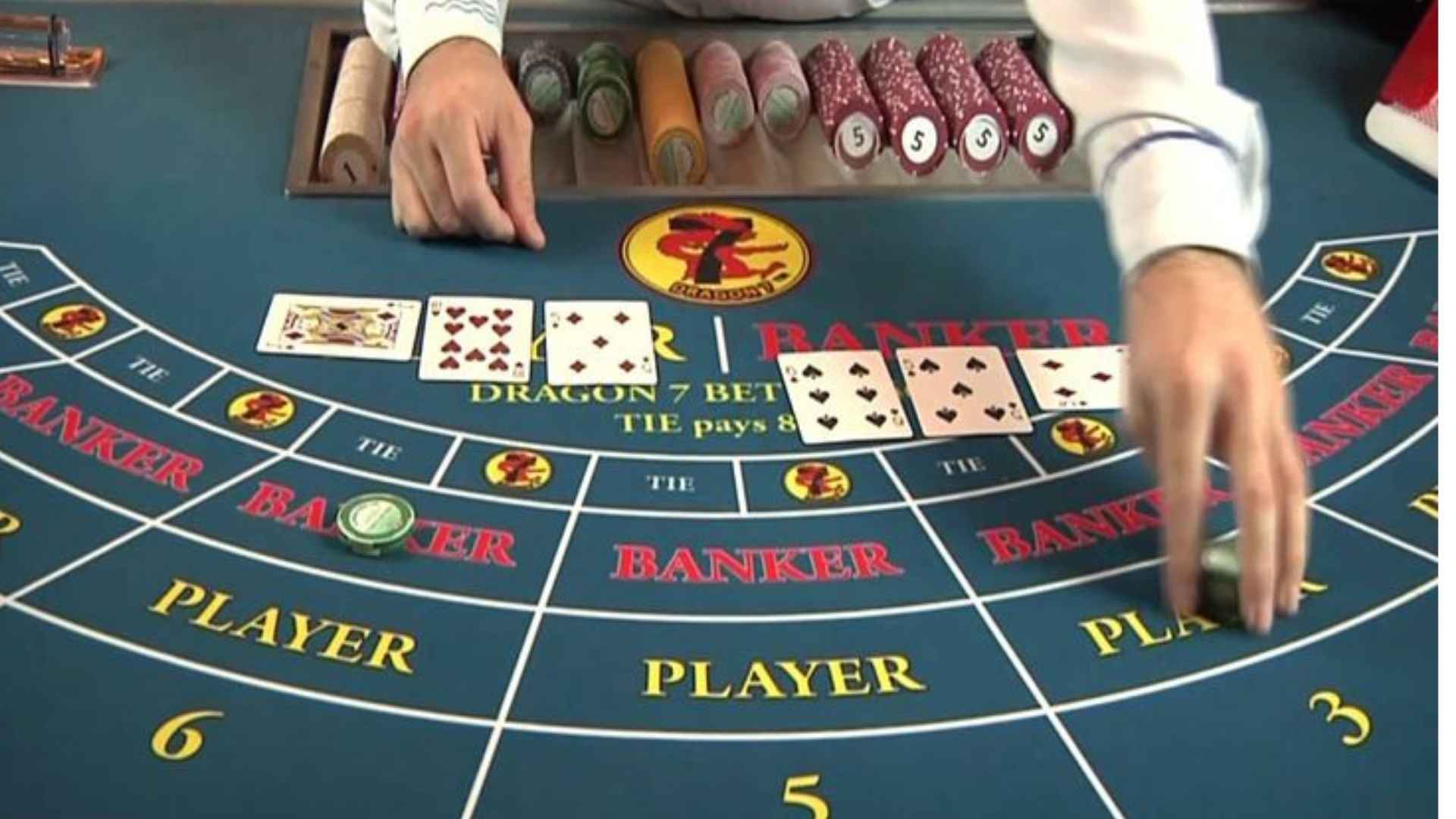
Recent decades have seen a significant push toward accelerating the speed of standard rounds to appeal to casual audiences. This demand inspired the creation of Mini Baccarat, which utilizes a compact physical table and skips the traditional ceremonies of passing the shoe. The dealer handles every card directly, which drastically reduces the down-time between consecutive rounds of play.
These fast-paced modern layouts also introduce secondary side wagers that allow participants to look for unique numeric outcomes. This focus on efficiency and variety ensures that the game can thrive in competitive digital markets alongside modern slot machines. The ongoing history of the game proves its unique capacity to modernize its outer shell while preserving its core identity.